
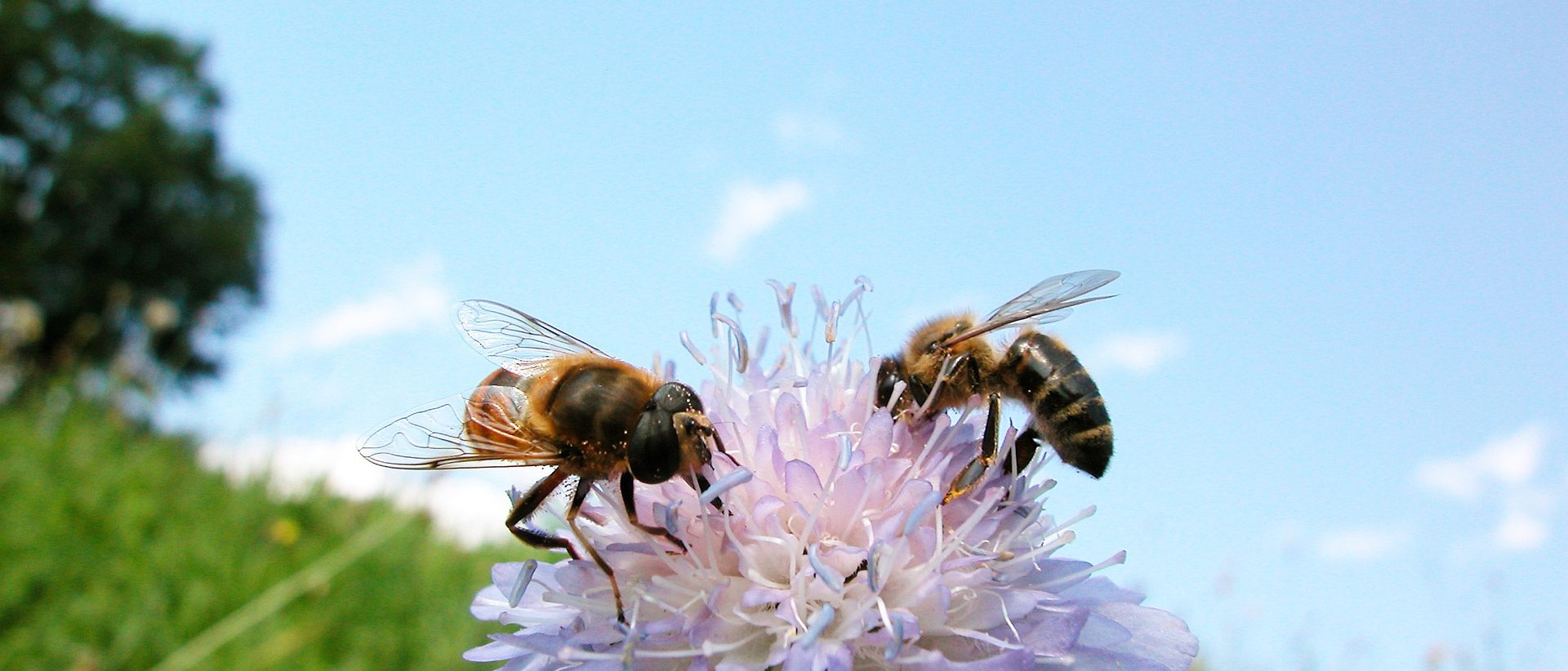
Bee pollination
In addition to producing honey, bees are particularly effective pollinators of wild and cultivated plants. Bees aid in plant reproduction and improve crop yield and quality. Fruit trees and berry bushes, as well as wild berries, especially benefit from pollination, which indirectly also affects the animals and birds that use them as food. The value of bee pollination in Finland is estimated to be 60 million euros, which is many times greater than the value of the honey harvest. (Lehtonen, T. 2012. The economic value of bee pollination in the yield production of Finnish cultivated plants and wild berries. University of Helsinki.)
By selecting domestic honey for your shopping cart, you ensure that the pollination benefits of bees remain in Finland's nature.

Without bees, none of us would exist.
Beekeeping promotes the biodiversity and well-being of Finnish nature. By using Finnish honey, you also support the pollination work done by Finnish bees. All bees pollinate, but the benefits of consuming domestic honey are directly directed towards your own immediate environment.
Some gardens and vegetable patches can even order pollination services, where beehives are moved to their vicinity to increase crop yields. Honey Union's mission is to increase honey consumption, which directly impacts environmental well-being, one spoonful at a time. Honey Union also aims to launch ice butterfly footprint, based on which every consumer can calculate the value of the positive pollination effect of their own honey consumption.
Read more about our mission for a better world!
How do you help bees?
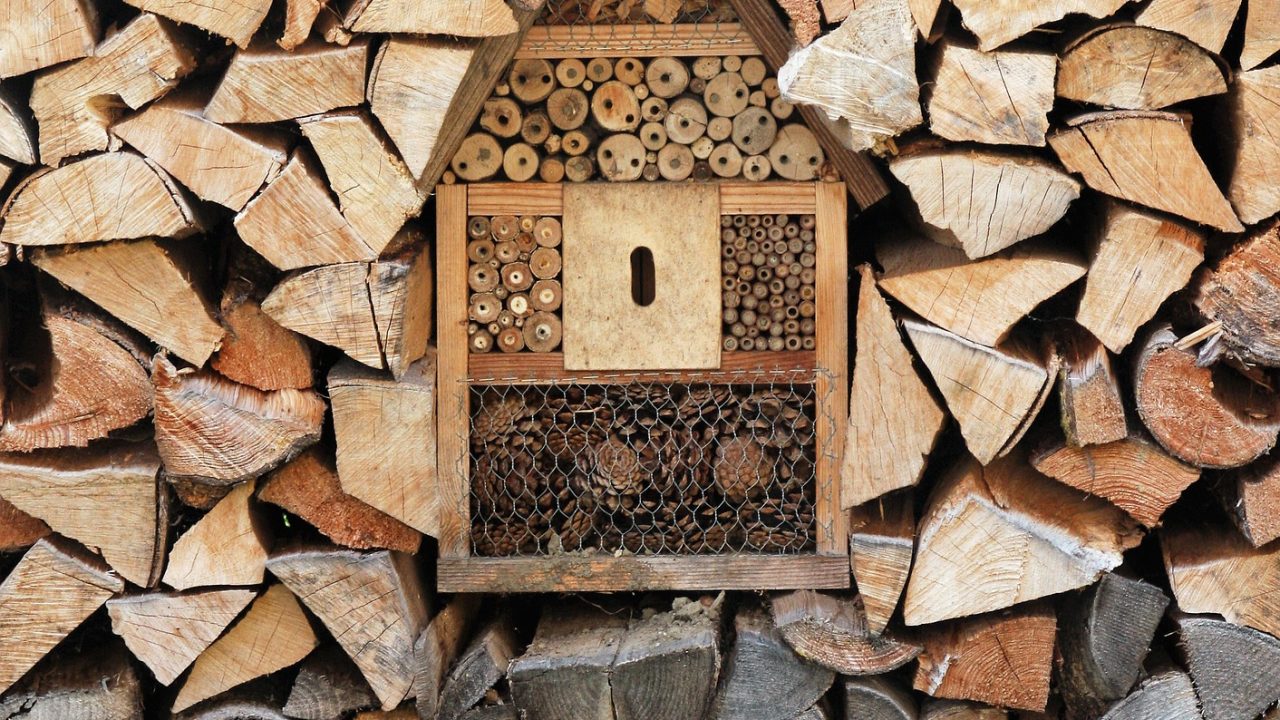
Everyone can help pollinators thrive, even at home and in cities. Different varieties that bloom for as long as possible Summer flowers yes plants are good nectar sources for pollinators. Even a small yard and balcony can be built insect hotel. If you have a garden, let your flowers and plants flourish and don't feel guilty if the lawn goes unmowed. For example, in the spring Paju It is irreplaceable first food for bees, so it should not be cut near beehives in spring.
Bees can navigate back to their hive from a maximum distance of five kilometers, meaning the distance from the hive to nectar sources should not exceed this. It would be advisable to have sufficient flowers within three kilometers of the hive. While visiting flowers, bees not only collect food but also pollinate plants. Efficient pollination results in an increased number and size of fruits, berries, and seeds. The fruits and berries become juicier and larger, and they also ripen faster and more evenly than without the bees' help. By placing hives appropriately, one can obtain a lot of honey as well as more berries and fruits than usual: bee pollination increases berry and fruit yields by up to a quarter.