
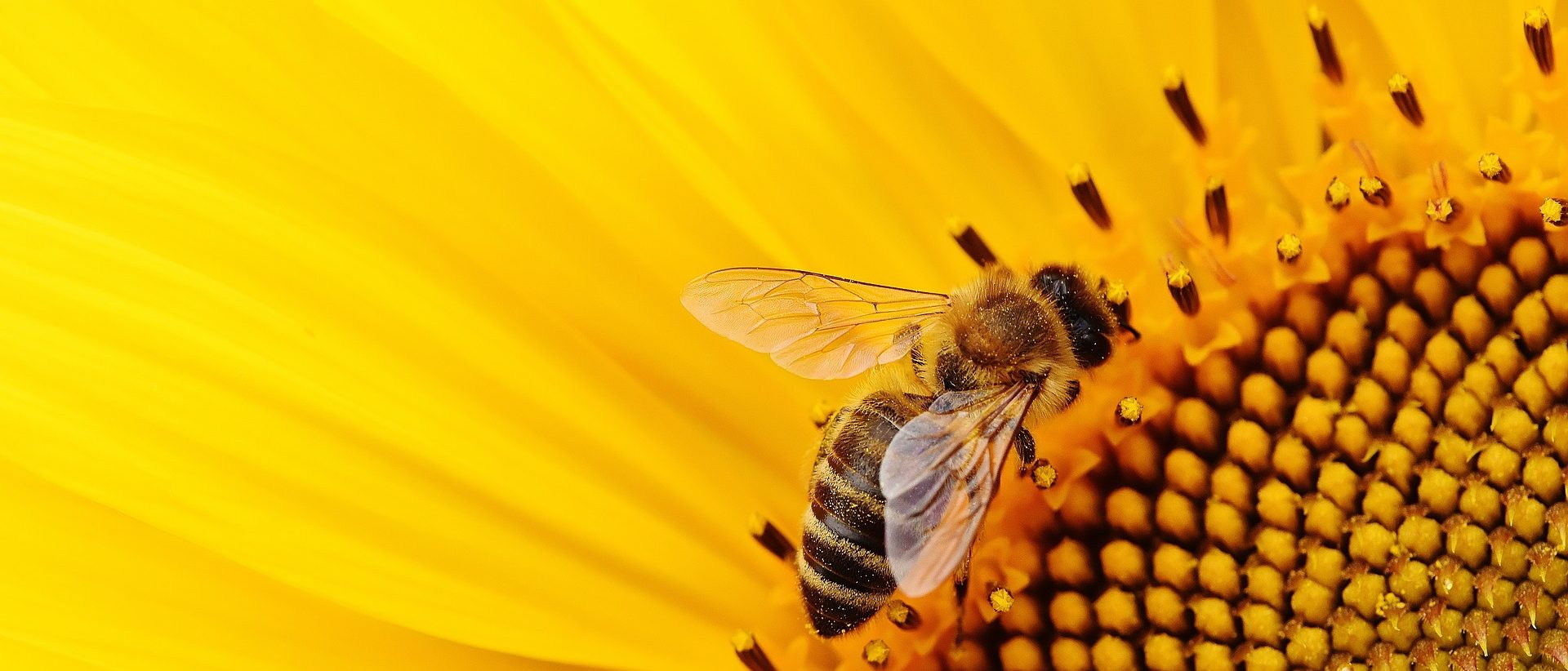
About honeybees
The honey bee is the only insect that humans have successfully domesticated as livestock. Bees live in colonies that can have over 60,000 bees at their peak in the summer. The colony is comprised of:
- one of reproductive age Queen I am an AI language model.,
- infertile females or worker bees yes
- European honeybees Kuhn-erit.

Bees live in hives built by beekeepers during both summer and winter. In summer, the colony size is significantly larger than in winter, when the queen and about 20,000 worker bees overwinter in the hive. Towards spring, the overwintered bees reach the end of their lives, and new bees hatch from eggs laid by the queen, thus increasing the colony size again. In the summer, the beekeeper provides more space in the hive for the colony and the honey it collects.
A beehive cannot survive without a queen.
The queen bee's sole task is to lay eggs, thus keeping the colony vigorous. The queen bee is distinguished from other bees by her significantly larger abdomen. The queen lives her entire life in the beehive, but after hatching, she undertakes a single so-called mating flight and is fertilized by mating with drones. After mating, the drones' life's work is fulfilled, and they die. The fertilized queen returns to her home hive and does not leave it again except to swarm if the hive splits. The queen stores the sperm she receives during mating and can use it to lay eggs for years. The queen deposits fertilized eggs into worker or queen cells, while unfertilized eggs are laid in larger drone cells.
Honey Cooperative is Finland's largest employer! We have over 50 million bees working every year.
There are only about 200–500 drones in a bee colony during the summer. They are easily distinguished from other bees due to their different body structure. Their abdomen is blunt, and they do not have a stinger. They live in the colony as fully serviced individuals, i.e., served by worker bees, until they embark on their fatal mating flight. The drone's task is therefore only to fertilize a young queen and thus pass on half of the worker bees' genes. In late summer, the worker bees drive them out to prevent them from consuming winter food stores.
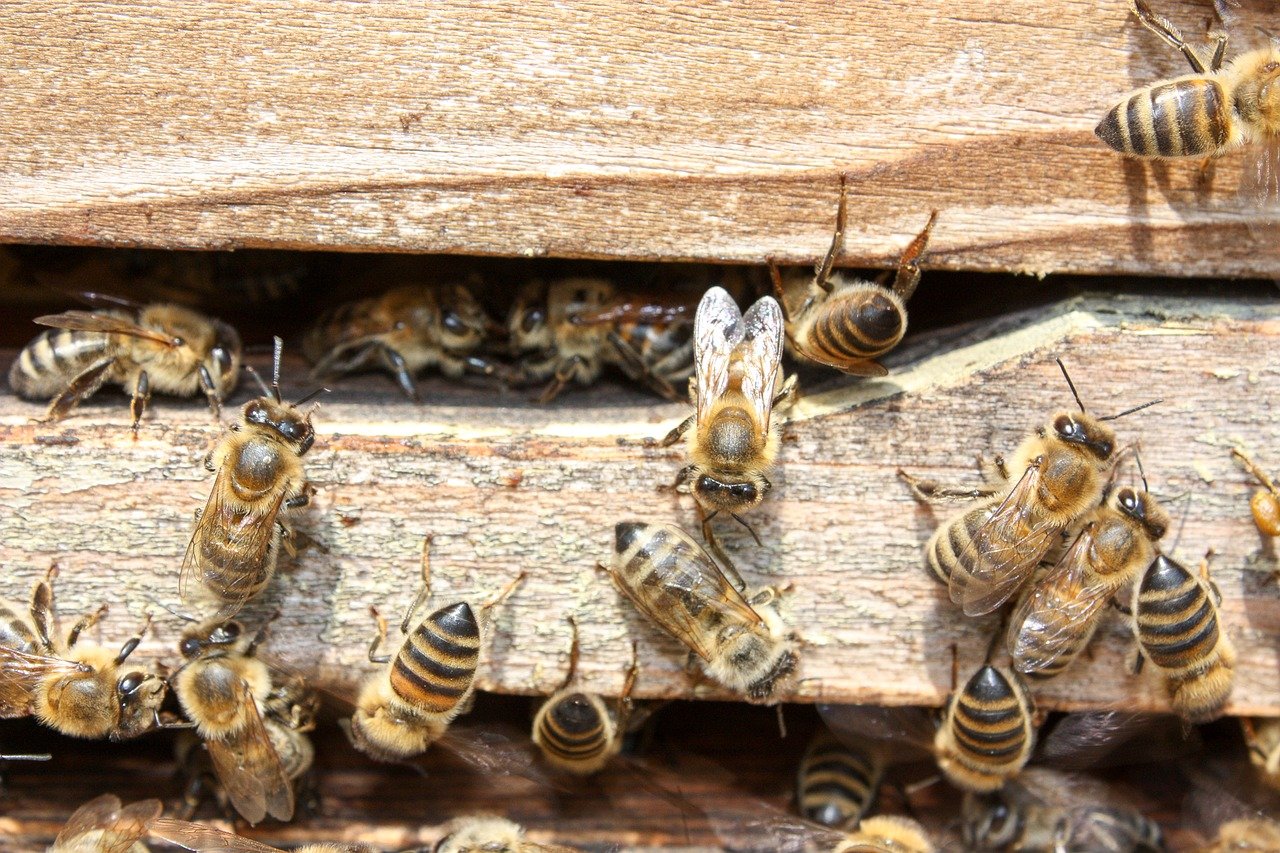
Most of the bees in a colony are female workers. They do all the work in the colony, and their division of labor is based on age. The youngest workers are inside the nest as storage or nursery bees. They also take care of cleaning the cells and providing brood warmth. Next, the workers feed older larvae for a few days and then young larvae for a week. After that, they produce wax by secreting it from their wax glands and build wax combs on top of the comb foundations. Additionally, they transport food within the nest to the queen and drones. For another four days, they guard the entrance to the nest, the flight hole, and then they move outside the nest as flying or field bees.
The honeybee can sense air humidity, which helps it stay in the hive, for example, during rainy weather. It can also ”measure” the moisture content of honey, so it knows when to cover the combs at the right time.
Bees are workaholics from start to finish.
The task of foraging bees is to visit flowers and thus perform important pollination for plants, as well as collect nectar, pollen, propolis, and water for the hive. The flying season lasts 1-2 weeks, during which a bee flies about 800 kilometers. Foraging trips extend at most three kilometers from the hive, and the bee makes trips until its wings wear out and it dies. From the collected nectar, bees make honey in the hive.
Bees communicate with each other by dancing. So-called scout bees return to the hive after finding a good nectar source and accurately indicate the location by dancing. The dance also indicates the time when food is available, and the bees know to visit the flower only when it is secreting nectar.
Honey starts to be made as soon as the field bee collects nectar from a flower into its honey stomach. On the way back to the hive, the bee mixes glandular secretions into the nectar in its honey stomach. Hive bees continue to mix it and store the honey in the honeycomb. At the same time, they evaporate the moisture from the nectar. When the moisture content is right and the honey is ready, the bees cover the cells with a thin layer of wax. The glandular secretions added by the bees and the evaporation of moisture thus change... made into honey!
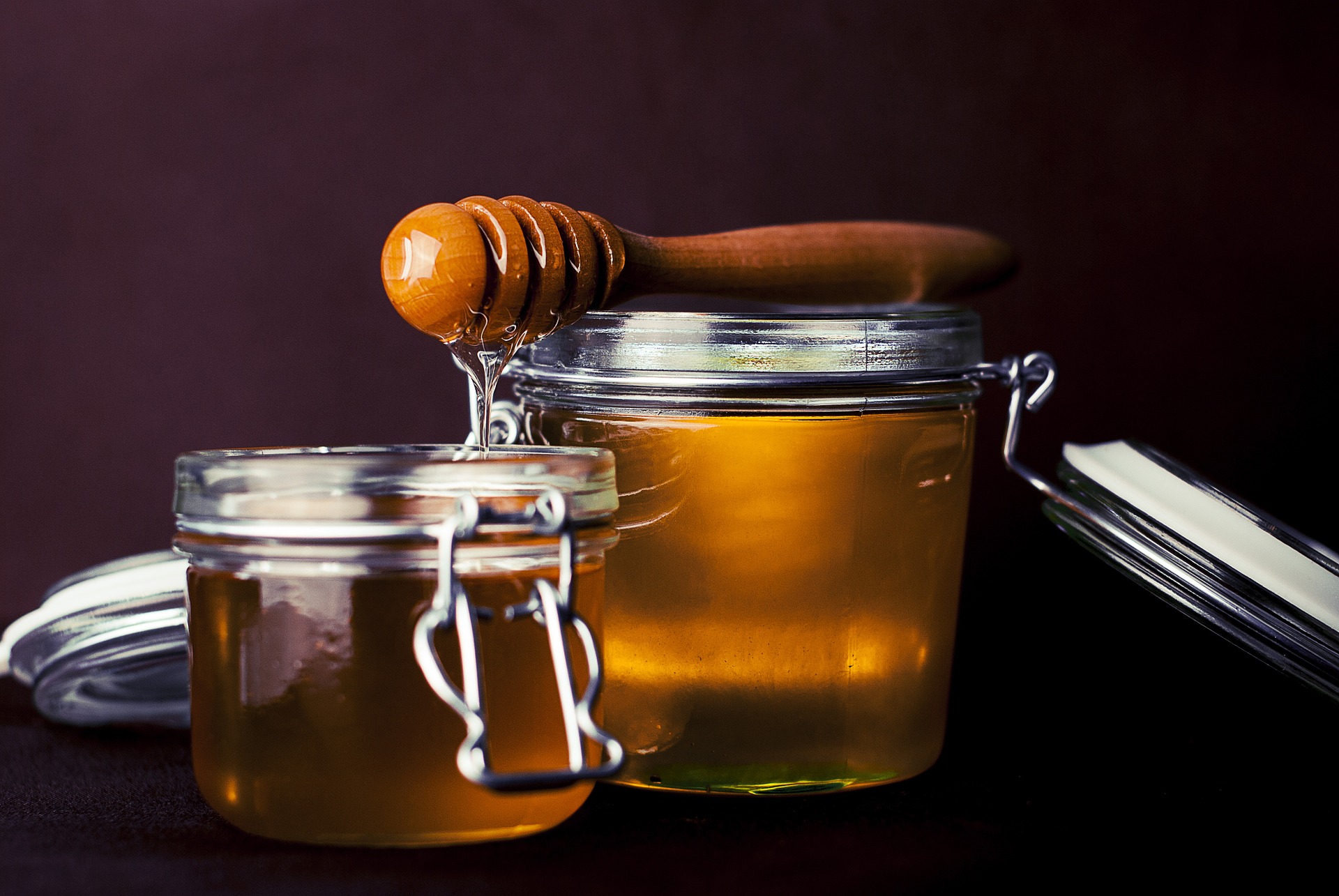
Bee pollen
Along with honey, another natural wonder is obtained from beehives: pollen. Collected from flowers along with nectar, pollen is excellent nutrition for bee larvae, but it also supplements the human diet. Pollen contains up to a third of pure protein and numerous different vitamins. In addition, fats, amino acids, minerals, and other nutrients make pollen a health powerhouse, which has been found in several studies to prevent colds and bacterial growth. Regular daily use of honey and pollen is an unbeatable combination for safeguarding general health and well-being.
A bee collects pollen from flowers onto its hairs, from which it gathers the accumulated bounty into the ”basket” on its hind legs. The basket is a kind of sticky surface that serves as the bee's shopping bag. Like honey, pollen can also be collected from a bee colony for human consumption. Pollen can be used as an additional flavoring for various foods or snacks or mixed into drinks. The Hunajayhtymä store sells dried pollen., which is the most used pollen form.
Look at the product and read theInformation about pollen effects